


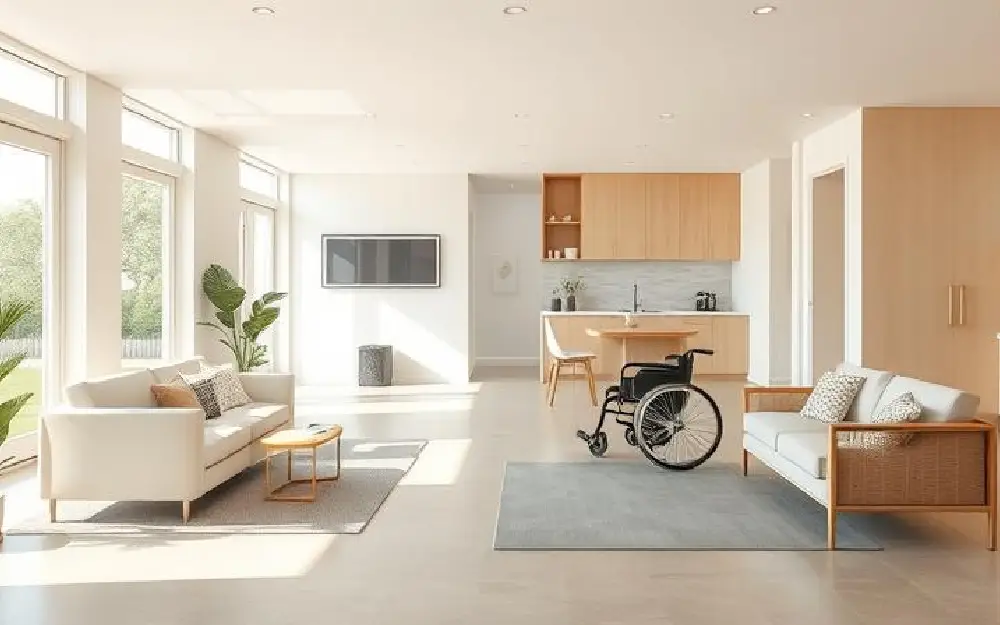
Designing Homes with Accessible Features for All: A Step Toward Inclusive Living
In recent years, there has been a growing shift towards creating homes that cater to the needs of all individuals, regardless of physical ability. Whether due to age, disability, or simply the desire for convenience, more people are seeking homes that are designed with accessibility in mind. From wide doorways to adaptive kitchen setups, the idea is to make living spaces functional, stylish, and welcoming for everyone.
But what does it mean to design a home with accessibility in mind? And how can we ensure that these features are not only practical but also beautiful and comfortable? Let’s explore how accessible design is shaping modern homes and why it’s a crucial step toward inclusivity in housing.
1. Universal Design: The Foundation of Accessible Homes
The concept of universal design is at the heart of creating accessible homes. Universal design focuses on creating environments that are usable by people of all abilities without the need for adaptation or specialized design. This includes everything from removing physical barriers to ensuring that spaces are easy to navigate for everyone, including seniors, those with disabilities, and families with young children.
For example, a universal design approach might involve wider doorways, ramps instead of stairs, and hallways with enough room for someone using a wheelchair or walker. These features not only improve accessibility but also create a sense of openness and freedom within the home.
2. Key Accessible Features to Include
When designing an accessible home, there are several important features to consider. Here are a few examples that make a huge difference:
- Wheelchair-Friendly Layouts: Ensuring that doorways and hallways are wide enough (typically at least 36 inches) and open spaces allow for easy navigation with a wheelchair. Turning radius in rooms should be large enough to accommodate a wheelchair, especially in kitchens and bathrooms.
- Level Floors and Ramps: Floors should be smooth and free of any steps or obstacles. Ramps can replace stairs at entrances, ensuring easy access for individuals with mobility devices.
- Adjustable Height Fixtures: In the kitchen and bathroom, consider designing countertops, sinks, and cabinets that can be adjusted to accommodate individuals with different needs. For example, lower countertops in kitchens can make it easier for someone using a wheelchair to prepare meals.
- Accessible Bathrooms: Bathrooms should feature wide doors, roll-in showers, and grab bars near the toilet and shower. A walk-in bathtub with safety features can be a great addition as well. Non-slip flooring is crucial to prevent falls.
- Smart Home Technology: Home automation systems, such as voice-activated lights, temperature controls, and security systems, can provide added convenience and ease of use for people with physical or sensory limitations.
- Non-Reflective Surfaces & Good Lighting: For people with vision impairments, non-glare surfaces, and plenty of natural light make navigation safer. Adjustable lighting and well-lit stairways and hallways are also important.
3. Aesthetics Matter Too
Accessibility doesn’t mean sacrificing style. In fact, many modern accessible designs are as beautiful as they are functional. The key is integrating accessibility features in a way that complements the overall aesthetic of the home.
For instance, instead of a traditional ramp, you could have a stylishly designed incline with beautiful landscaping surrounding it. Doors can be both functional and sleek, and furniture can be chosen to ensure easy movement while also enhancing the room’s décor. The goal is to design spaces that are both welcoming and aesthetically pleasing for all who enter.
4. The Importance of Inclusive Housing
Accessible homes benefit everyone, not just those with mobility challenges. Families with strollers, elderly individuals, and anyone recovering from surgery or illness can all appreciate features like wider doorways, grab bars, and low-maintenance flooring.
Moreover, accessible design promotes aging in place. Instead of needing to move to a different living environment as one’s needs change, accessible homes allow individuals to stay in their own homes as they grow older. This is increasingly important in our aging population, where more people are choosing to stay in their homes as long as possible.
5. The Future of Accessible Homes
The demand for accessible homes is growing, and it’s likely to continue as awareness around inclusivity rises. Cities and municipalities are recognizing the need for accessible housing and implementing more inclusive building codes and regulations. This is a great step forward in ensuring that everyone has the opportunity to live in spaces that accommodate their needs.
As we look to the future, accessible design will continue to evolve. Smart technology, sustainable materials, and new innovations in architecture will make it even easier to create homes that are accessible, comfortable, and stylish.
Conclusion
Designing homes with accessible features is not just about accommodating those with disabilities—it’s about creating spaces that are open, welcoming, and functional for everyone. Universal design principles ensure that we can live in homes that evolve with our needs, whether we’re young or elderly, healthy or dealing with a temporary injury. By incorporating accessible features, we can build homes that foster independence, comfort, and equality, all while maintaining aesthetic appeal.
Creating inclusive living spaces is a step toward making the world a more connected and compassionate place for all. Let’s design homes that work for everyone.