


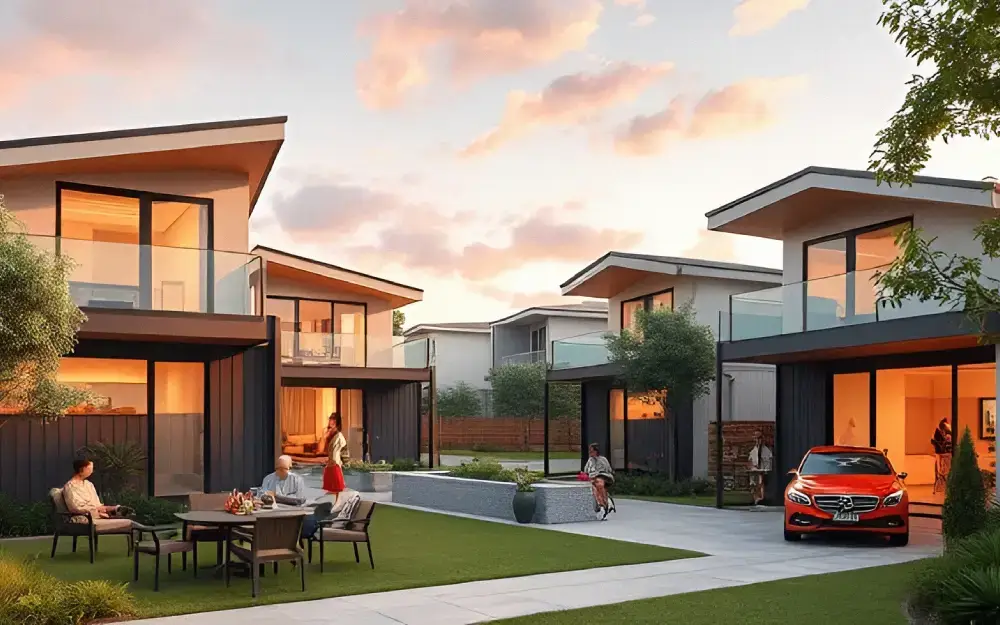
Designing Homes for Better Social Interaction and Community Living
In today’s fast-paced, digitally connected world, many people find themselves yearning for stronger, more meaningful connections with those around them. The desire for a sense of community and social interaction is more prominent than ever. One innovative solution to foster these bonds is through the design of homes and neighborhoods that prioritize human connection, inclusivity, and accessibility. When thoughtfully designed, homes and communities can serve as hubs of interaction that promote well-being, encourage collaboration, and help create a sense of belonging.
Here’s a look at how the design of homes can transform the way we live together, building stronger, more connected communities:
1. Community-Focused Neighborhood Layouts
The first step in fostering a sense of community begins with the overall layout of the neighborhood. Rather than traditional suburban designs with houses spaced far apart, modern communities benefit from pedestrian-friendly streets that encourage walking, biking, and casual interactions between neighbors. Homes can be placed around central public spaces such as parks, plazas, or community gardens, ensuring that people of all ages and backgrounds can come together to socialize and collaborate.
For instance, rather than a cul-de-sac with a single entry and exit, consider a neighborhood layout with interconnected streets and pathways that create a natural flow of foot traffic and make it easy for residents to engage with one another. A central gathering space like a community hub, library, or multi-purpose pavilion can also encourage people to gather, host events, and share experiences.
2. Shared Spaces for Social Interaction
A major trend in community-focused housing designs is the creation of shared spaces—areas where residents can connect and collaborate. These spaces can take many forms: community gardens, co-working spaces, multi-purpose rooms for events, or outdoor dining areas. By designing homes with access to these communal areas, residents are encouraged to step outside their private spaces and engage with their neighbors.
For example, shared rooftop gardens can serve as an oasis in the middle of an urban setting, offering a space for relaxation and socialization, while also promoting sustainable practices like urban farming or green energy solutions. Similarly, shared gardens or green spaces within the community can allow neighbors to connect over gardening, play, or simply enjoying the outdoors together.
3. Blurring the Lines Between Private and Public Spaces
One of the main concerns when designing homes for better social interaction is maintaining privacy. People want to feel comfortable in their homes but also need opportunities for community engagement. A successful community design balances these two needs by blurring the lines between private and public spaces.
Homes with open, flexible floor plans allow for fluid movement and connection while maintaining areas for privacy. Shared indoor-outdoor spaces, such as open courtyards or balconies that overlook common areas, can help create connections without sacrificing personal space. Large windows that look out onto public spaces encourage interaction without feeling intrusive, and strategically placed communal hubs like cafés or gathering rooms foster conversation while remaining open to the neighborhood.
4. Incorporating Nature for a Calming and Welcoming Atmosphere
Nature plays a vital role in the design of communities that encourage social interaction. People naturally gravitate toward environments that are calm and welcoming, and green spaces have been shown to have numerous mental and physical health benefits. Including abundant green areas, whether through parks, community gardens, or green rooftops, provides not only a place for relaxation but also opportunities for neighbors to meet, socialize, and engage in outdoor activities.
In addition, the integration of natural elements—such as water features, native plants, and trees—creates a serene, inviting atmosphere that can reduce stress and encourage people to spend more time outside their homes. Thoughtfully landscaped communal areas can help build connections between neighbors by providing gathering spots where people can share meals, host events, or simply chat.
5. Technology to Enhance Social Connectivity
While the physical environment plays a critical role in social interaction, technology can also help facilitate connection within a community. A digital platform or app for residents to share updates, organize events, or post about community activities can enhance engagement and communication.
Smart home features and neighborhood technologies can also be integrated into community living spaces, such as shared Wi-Fi hubs, digital message boards for local announcements, and online forums where neighbors can discuss issues, share resources, or collaborate on community projects. These technological elements, when used thoughtfully, can amplify the sense of community and keep residents connected, both digitally and physically.
6. Inclusivity and Accessibility
An essential element of any community-focused design is inclusivity. Housing should be designed to meet the needs of people from diverse backgrounds, abilities, and age groups. Accessible designs—such as ramps, wider doorways, and elevators in multi-story buildings—ensure that everyone, regardless of mobility, can fully participate in the life of the community.
In addition, incorporating a variety of housing types, such as affordable units, family-sized homes, and spaces for seniors, ensures that the community can accommodate diverse individuals and families. This inclusivity fosters a sense of shared responsibility and helps build stronger, more resilient communities.
7. Promoting Sustainability and Shared Responsibility
A well-designed community not only enhances social interaction but also promotes environmental sustainability. Eco-friendly initiatives such as shared recycling centers, solar panels, and water conservation systems can encourage collective action among residents. By designing homes with these sustainable features, communities not only reduce their environmental footprint but also create opportunities for neighbors to bond over shared goals.
For example, a neighborhood with a communal garden or orchard can promote sustainability while providing residents with fresh produce. Workshops or community events around sustainability topics—like composting, green building practices, or eco-friendly transportation—can bring neighbors together and create a sense of shared purpose.
Conclusion
Designing homes and communities with a focus on social interaction and community living isn’t just about creating beautiful spaces—it’s about fostering connections, collaboration, and a sense of belonging. Whether through shared public spaces, inclusive designs, or sustainable features, thoughtful architecture can significantly impact how people interact with one another and build stronger, more resilient communities.
As we move forward, it’s clear that the future of housing is not just about private homes, but about creating environments that encourage connection, inclusivity, and shared responsibility. By rethinking the way we design homes and neighborhoods, we can build communities where people thrive together, strengthening social bonds and improving quality of life for all.