


Designing Homes with Airflow and Ventilation Systems for Healthy Living
When it comes to creating a healthy and comfortable living space, the importance of proper airflow and ventilation cannot be overstated. A well-ventilated home ensures that you and your family are breathing clean, fresh air, reduces the buildup of indoor pollutants, and maintains the overall comfort of the home. In this blog post, we will explore how designing homes with effective airflow and ventilation systems can improve your quality of life and help create a healthier living environment.
The Role of Ventilation in Healthy Living
Ventilation is the process of exchanging indoor air with fresh outdoor air. It helps to regulate indoor temperature, reduce humidity levels, and remove indoor air pollutants, such as dust, allergens, smoke, and moisture. Without proper ventilation, homes can become breeding grounds for mold, mildew, and other harmful microorganisms that can negatively impact the health of the occupants.
There are two main types of ventilation systems to consider when designing a home: natural and mechanical.
Natural Ventilation: Harnessing Nature’s Power
Natural ventilation uses the outdoor environment to bring fresh air into the home. It is a cost-effective and energy-efficient way to promote airflow and maintain indoor air quality. This system relies on windows, doors, vents, and other openings to create a natural flow of air, facilitated by wind, temperature differences, and air pressure.
Key Design Tips for Effective Natural Ventilation:
- Strategic Window Placement: Positioning windows and doors to take advantage of prevailing winds can help create a cross-breeze that moves air naturally through the home. Placing windows on opposite sides of the room allows the air to flow freely from one side to the other.
- Ventilation Shafts: Ventilation shafts can help hot air escape from high ceilings, promoting cooler, fresher air to enter from lower openings. This is particularly important in areas with warm climates.
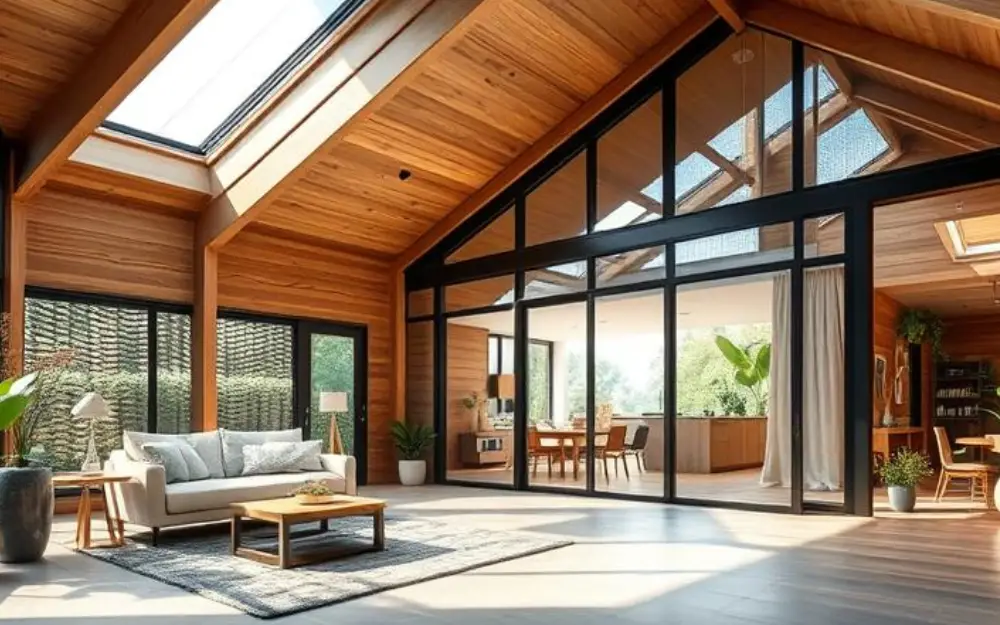
- Open Floor Plans: Open-plan living areas reduce barriers to airflow and can make it easier for air to circulate throughout the space. Avoiding too many walls and partitions in common areas can enhance natural ventilation.
- Operable Skylights: Installing skylights or roof vents in strategic locations helps to release rising hot air and bring in cooler air, especially in multi-story homes.
While natural ventilation is an excellent option for many homes, it may not be sufficient on its own, particularly in areas with high humidity, extreme weather, or air quality concerns. In such cases, mechanical ventilation systems are necessary.
Mechanical Ventilation: Bringing Fresh Air Indoors
Mechanical ventilation systems use fans and ducts to control the flow of air within a home, offering a more consistent and controlled method of ventilation than relying solely on natural airflow. These systems are particularly useful in areas with poor outdoor air quality, where natural ventilation may bring in contaminants rather than fresh air.
Types of Mechanical Ventilation Systems:
- Exhaust Ventilation Systems: These systems work by exhausting indoor air through vents or fans, creating a negative pressure that draws in fresh outdoor air through passive vents or openings. Exhaust fans are commonly used in kitchens, bathrooms, and laundry rooms to remove excess moisture, odors, and pollutants.
- Supply Ventilation Systems: Supply ventilation systems work by using a fan to push fresh outdoor air into the home, which then forces stale indoor air to exit through vents or windows. These systems are beneficial in homes that have tight insulation and minimal airflow.
- Balanced Ventilation Systems: This system provides both supply and exhaust ventilation, ensuring a balanced exchange of air between indoor and outdoor environments. An example of this system is the Heat Recovery Ventilator (HRV), which not only circulates fresh air but also preheats or cools it for energy efficiency.
- Energy Recovery Ventilators (ERVs): Similar to HRVs, ERVs use energy from outgoing air to condition incoming air, helping to regulate temperature and humidity levels. These systems are perfect for maintaining consistent indoor air quality without significantly increasing energy costs.
Key Benefits of Proper Airflow and Ventilation Systems
- Improved Indoor Air Quality: Ventilation systems remove pollutants, allergens, and moisture from the air, reducing the risk of respiratory issues, allergies, and asthma. Clean, fresh air promotes overall well-being and a healthy home environment.
- Mold and Moisture Control: Excess moisture is a common cause of mold growth in homes, particularly in areas like basements and bathrooms. Proper ventilation helps regulate humidity levels and prevents mold buildup, which can damage the structure of the home and pose health risks.
- Temperature Regulation: Adequate airflow helps maintain a comfortable temperature throughout the home. In warmer climates, airflow can cool a house naturally without the need for air conditioning, reducing energy costs.
- Odor Removal: A good ventilation system removes cooking smells, pet odors, and other unpleasant scents, helping to keep the air inside your home fresh and clean.
- Energy Efficiency: Modern ventilation systems, like HRVs and ERVs, not only improve indoor air quality but also contribute to energy efficiency by regulating temperature and reducing the need for heating and cooling.