


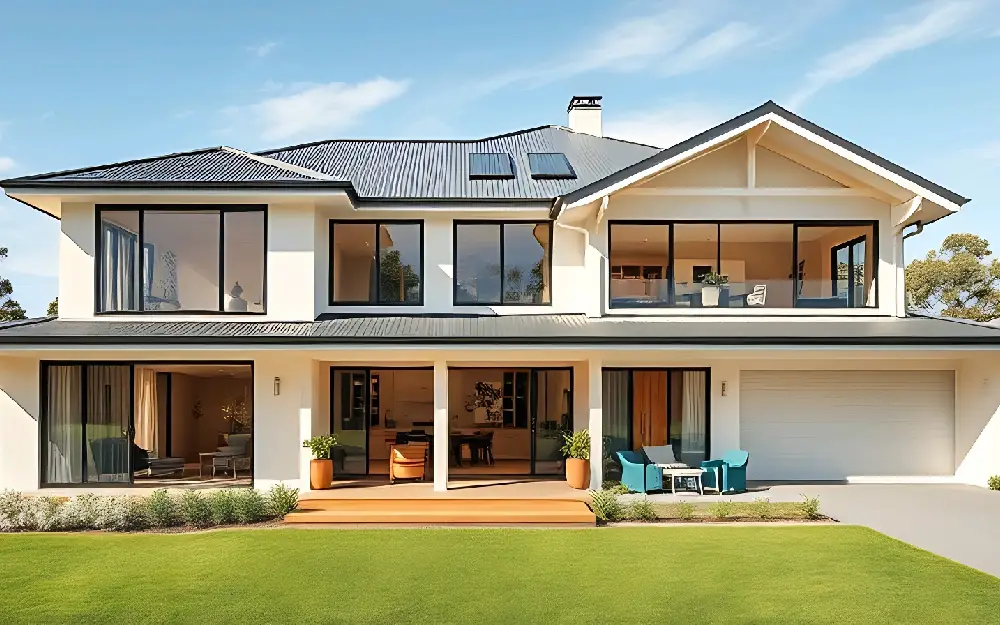
Designing Homes with Multi-Generational Living in Mind: A Guide to Creating Inclusive and Functional Spaces
In today’s world, many families are choosing to live together under one roof, embracing the benefits of multi-generational living. Whether it’s to care for aging parents, support adult children as they start their own careers, or simply to foster a stronger family bond, designing homes that accommodate multiple generations can create a comfortable and harmonious living environment.
However, creating a home that meets the needs of everyone—whether they’re toddlers, teens, adults, or seniors—requires thoughtful planning and design. Here are some key considerations when designing homes with multi-generational living in mind.
1. Open, Inclusive Spaces for Family Gatherings
The heart of any home designed for multi-generational living should be a spacious, open-concept family area that encourages togetherness. A large, central living room and dining area can become the focal point for family activities, providing space for everyone to gather comfortably. Consider adding features like a cozy fireplace, modular furniture that can be reconfigured, and ample seating to accommodate everyone. Having a space where all generations can interact will promote family bonding while maintaining flexibility for different activities and needs.
2. Private, Separate Living Areas
While togetherness is important, each generation also needs a degree of privacy and independence. Incorporating separate living spaces within the home is essential for maintaining harmony. For example, consider adding a dedicated suite for grandparents with features like an accessible bathroom, a walk-in closet, and a separate sitting area. Similarly, adult children may benefit from having their own living area with a private entrance, kitchenette, or even a small apartment with separate facilities. Ensuring that each generation has their own retreat fosters independence while still keeping the family under one roof.
3. Universal Design Features
Accessibility is key when designing a home for multiple generations, especially if elderly family members or young children are involved. Universal design principles can make life easier for everyone, regardless of age or ability. This includes wide doorways, zero-step entries, and ramps where necessary, as well as easy-to-reach storage and switches. Additionally, incorporating features like a ground-floor bedroom or a master suite with an en-suite bathroom can be beneficial for senior family members who may have mobility challenges.
Consider using non-slip flooring in high-traffic areas, and ensure that the layout supports easy navigation around the home. This kind of design not only makes the home safer but also more comfortable for all family members.
4. Smart Technology for Convenience and Safety
Smart home technology can be a game-changer in multi-generational households. From voice-controlled lighting to remote-controlled temperature settings, smart devices help manage energy efficiency, security, and convenience. For elderly family members, smart home systems can enhance safety, with features like automated door locks, security cameras, and alert systems in case of an emergency. For families with young children, smart monitors, baby cameras, or even smart thermostats can ensure a comfortable, secure environment.
Smart appliances, such as refrigerators that track groceries or washing machines that can be controlled remotely, also make daily tasks more efficient and manageable for everyone.
5. Inclusive Design for All Ages
A multi-generational home should cater to all ages, offering spaces that serve a variety of purposes. For children, consider designing rooms that are safe, creative, and adaptable as they grow. Play areas should be within sight of adult spaces, and multi-use furniture can help the room grow with them. For teens and young adults, design bedrooms or living spaces that offer privacy and autonomy while still keeping them connected to the family. Incorporating flexible areas, like a home office or study room, can accommodate the varying needs of students or adults working remotely.
For senior family members, comfortable, ergonomic furniture, easy-to-navigate spaces, and thoughtful touches like grab bars or good lighting are crucial for comfort and safety. A beautiful, well-planned home can accommodate all ages, helping them feel supported and valued.
6. Create Outdoor Spaces for Shared Enjoyment
Outdoor spaces offer an ideal area for multi-generational families to relax and bond together. Design a backyard with spaces for each generation to enjoy, whether it’s a garden for gardening enthusiasts, a play area for children, or a patio for outdoor dining and relaxation. Add a walking path for seniors to enjoy nature and connect with the outdoors safely. A well-thought-out outdoor space fosters family interactions and offers a peaceful escape from daily life.
7. Embrace Sustainable and Eco-Friendly Design
With sustainability becoming more important, multi-generational homes are an excellent opportunity to embrace energy-efficient designs that benefit everyone in the long term. Solar panels, energy-efficient windows, and sustainable materials can make the home more eco-friendly while also reducing utility costs. Green designs like rainwater harvesting, composting systems, and vegetable gardens can not only be environmentally conscious but also promote a sense of shared responsibility and family involvement.
8. Design for Flexibility and Future-Proofing
Multi-generational households often evolve over time, so designing a flexible home is key to its long-term success. What works for a family today may need to be adapted as family members grow older or younger children reach adulthood. Consider incorporating moveable walls, modular furniture, and adaptable layouts that can change as needs evolve. Future-proofing your home by thinking ahead to potential care needs, lifestyle changes, or growing children ensures that your multi-generational space can continue to serve the family as it grows and evolves.
Conclusion: A Home for Every Generation
Designing homes with multi-generational living in mind is about creating a space that meets the diverse needs of a family while fostering connection, independence, and comfort. By focusing on open, inclusive spaces, private retreats, accessibility, and flexibility, families can enjoy the benefits of living together while respecting each individual’s needs. With careful planning and a thoughtful approach to design, multi-generational homes can be both functional and beautiful, offering a lifetime of comfort and support for everyone under one roof.
Are you considering multi-generational living for your family? What features would make your ideal home truly work for everyone? Share your thoughts in the comments below!