


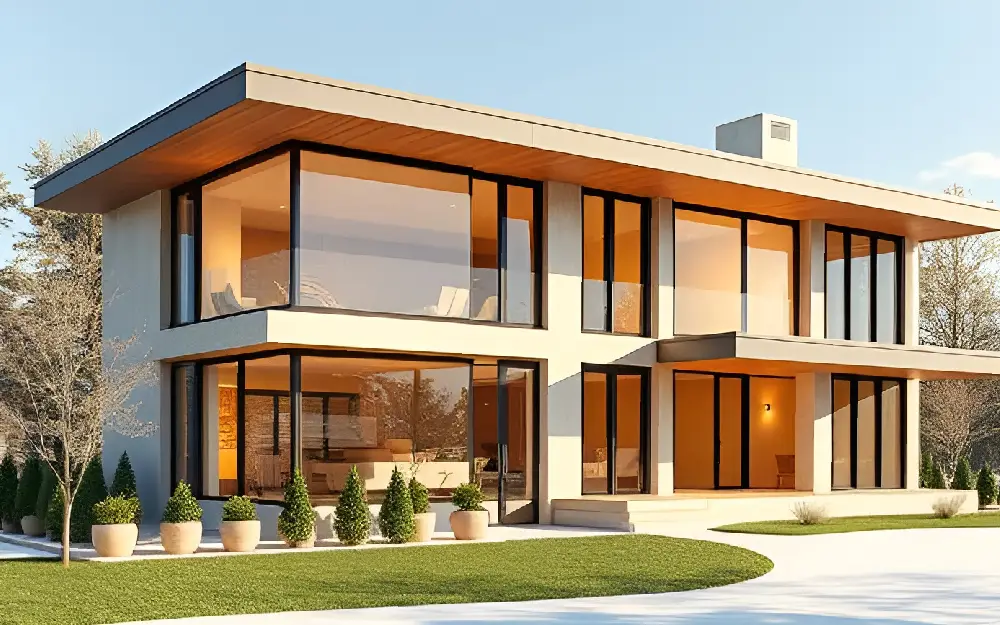
Designing Homes with Passive Solar Heating
As the demand for energy-efficient, eco-friendly homes continues to rise, one sustainable design strategy gaining popularity is passive solar heating. Passive solar heating harnesses the sun’s energy to warm a home naturally, without the need for active mechanical systems. By designing homes that make the most of sunlight, builders and homeowners can create spaces that are both comfortable and energy-efficient, reducing heating costs and lowering their environmental footprint.
What is Passive Solar Heating?
Passive solar heating involves the strategic use of sunlight to heat a home during the colder months. Unlike active solar systems, which use solar panels and pumps to collect and distribute heat, passive solar heating relies entirely on the home’s design and materials to capture, store, and distribute the sun’s warmth. This system works by utilizing the natural path of the sun, allowing sunlight to enter the home through well-placed windows and be absorbed by thermal mass materials, which then release the heat when needed.
Key Elements of Passive Solar Design
- Building Orientation
The orientation of the home plays a crucial role in passive solar heating. A home should be positioned so that its longest side faces south (in the northern hemisphere) to capture as much sunlight as possible throughout the day. This allows sunlight to penetrate into the home’s interior during the winter months when the sun is lower in the sky. - South-Facing Windows
Large south-facing windows are a key feature of passive solar design. These windows allow sunlight to enter the home, warming the interior. The size and placement of these windows should be carefully calculated to maximize solar gain in the winter, while minimizing it in the summer. Proper window coverings, such as shades or shutters, can also help control the amount of heat entering the home. - Thermal Mass Materials
Thermal mass refers to materials that absorb and store heat. Materials like concrete, brick, stone, and tile are ideal for passive solar homes because they can absorb heat during the day and release it slowly at night when the temperatures drop. These materials are typically used in floors, walls, and even countertops, helping to regulate indoor temperatures without the need for additional heating systems. - Insulation
Proper insulation is essential in maintaining the heat captured by passive solar systems. Insulation helps prevent heat loss through the roof, walls, and floors, ensuring that the warmth from the sun stays inside the home. A well-insulated home requires less energy to heat, improving comfort and reducing reliance on other heating sources. - Shading and Overhangs
While passive solar heating is focused on maximizing sunlight exposure in the winter, it’s also important to prevent overheating in the summer. This is where shading comes into play. Roof overhangs, awnings, and pergolas can block the sun’s rays during the summer months when the sun is higher in the sky. Shading elements help reduce the need for air conditioning and keep the home cooler in warmer weather. - Natural Ventilation
In addition to heating, passive solar design often incorporates natural ventilation strategies to keep a home comfortable year-round. Cross-ventilation, achieved by placing windows and vents in such a way that fresh air can circulate through the house, helps to cool the home in the summer months. This can reduce the need for air conditioning, further enhancing the home’s energy efficiency.
Benefits of Passive Solar Heating
- Energy Savings: By reducing reliance on traditional heating systems, passive solar homes can significantly lower energy bills. The use of free solar energy to heat the home also reduces the need for fossil fuels.
- Environmental Impact: Passive solar design is a sustainable way to reduce carbon footprints. Since no electricity or fuel is needed to operate the heating system, passive solar homes have a much smaller environmental impact compared to homes that rely on conventional heating methods.
- Comfort: Homes designed with passive solar heating are typically more comfortable, maintaining a consistent indoor temperature throughout the year. The thermal mass materials store heat during the day and release it at night, ensuring that the home stays warm in the winter and cool in the summer.
- Low Maintenance: Passive solar heating systems require minimal maintenance compared to traditional heating systems. Once the home is properly designed and built, there are few ongoing costs or mechanical components that need regular upkeep.
Challenges and Considerations
While passive solar heating offers numerous benefits, it’s important to note that it’s not a one-size-fits-all solution. The design and effectiveness of passive solar systems depend on several factors, including geographic location, climate, and building materials. Homes in colder climates may require larger windows or thicker thermal mass materials to capture more heat, while homes in warmer climates may need more shading and ventilation.
Additionally, designing a passive solar home requires careful planning and expertise. Architects and builders must consider the site’s orientation, seasonal sun angles, and local weather patterns to ensure that the home will be optimized for passive solar heating.
Conclusion
Designing homes with passive solar heating is an innovative and sustainable way to reduce energy consumption while creating a comfortable living space. By strategically placing windows, using thermal mass materials, and incorporating shading and insulation, homeowners can harness the sun’s natural energy to heat their homes efficiently. As the demand for eco-friendly homes continues to grow, passive solar design offers a powerful solution for those looking to reduce their environmental impact and energy costs.