


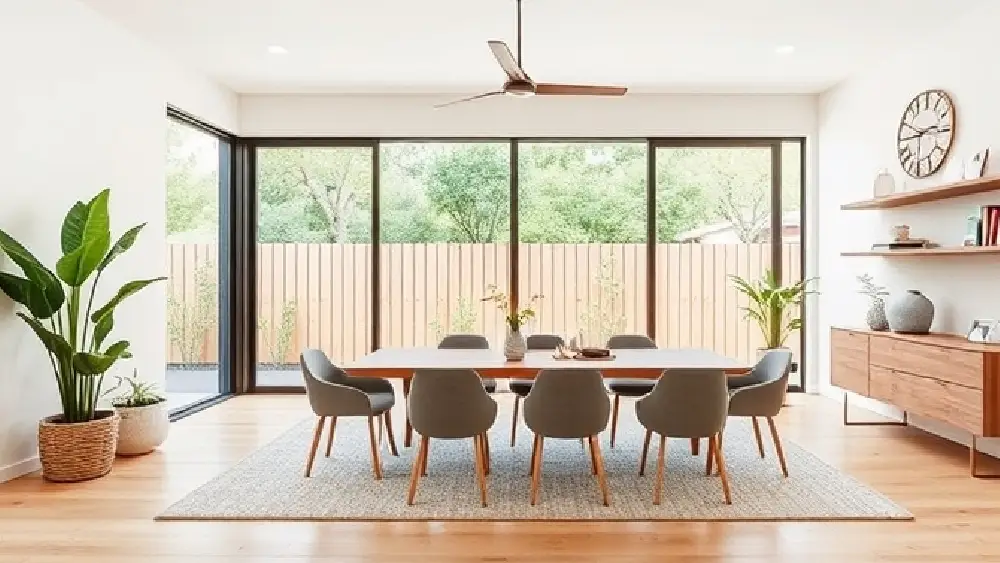
Designing Your Dream Home: Tips and Inspiration for New Homeowners
Designing your dream home is one of the most exciting and rewarding experiences in life. Whether you're building from scratch, renovating an existing space, or buying a new home and adding your personal touch, the process is a chance to turn your vision into reality. But where do you begin? With so many options available, it can feel overwhelming.
Fear not! In this blog, we’ll explore tips and inspiration for new homeowners to create a home that truly reflects your style, personality, and lifestyle needs. Let’s dive into the world of home design!
1. Start with a Clear Vision
Before you jump into any design work, it's essential to have a clear idea of what you want. Take time to envision how you want each room to feel and function.
- Consider your lifestyle: Do you love hosting dinner parties? A spacious dining area and a functional kitchen will be essential. If you work from home, consider an office or a quiet space for focus.
- Define your style: Modern, rustic, minimalist, traditional? Choose a style that resonates with you, or even combine elements to create something unique. Explore Pinterest, design magazines, and websites like Houzz for inspiration.
- Think long-term: Your dream home should evolve with your family. Keep in mind future needs, such as adding space for a growing family or ensuring that your home can adapt to changing needs.
2. Create a Functional Floor Plan
The layout is the backbone of your dream home. A floor plan that maximizes functionality while maintaining an aesthetically pleasing flow is key.
- Open-concept living: This popular trend promotes a seamless flow between the living room, kitchen, and dining areas. It’s perfect for entertaining and makes smaller spaces feel larger.
- Private vs. shared spaces: Think about how much privacy you need. For example, a master suite that’s separate from the other bedrooms can create a personal retreat. If you have a growing family, consider bedrooms that are close together but still offer some privacy.
- Storage solutions: Incorporate clever storage ideas, such as built-in shelving, under-stair storage, or hidden closets. A clutter-free home feels more spacious and organized.
3. Focus on Lighting
Lighting has the power to completely transform a space. It can create ambiance, highlight design elements, and make a room feel more inviting.
- Natural light: Maximize the amount of natural light by using large windows, glass doors, or even skylights. Not only does natural light make a space feel larger and airier, but it’s also good for your mental well-being.
- Layered lighting: Incorporate a mix of ambient, task, and accent lighting. Use overhead lighting for general illumination, task lighting for specific activities like reading or cooking, and accent lighting to highlight artwork, architectural features, or unique decor.
- Dimmer switches: Install dimmers to adjust the mood and lighting intensity based on the time of day or the activity at hand.
4. Invest in Quality Materials
When designing your dream home, consider how the materials you choose will affect both the look and durability of your space. Opt for high-quality materials that will stand the test of time.
- Natural stone: Marble or granite countertops can elevate the look of your kitchen and bathroom, while also being durable and easy to maintain.
- Wood accents: Hardwood floors, wooden beams, and custom cabinetry bring warmth and texture to your home. Consider reclaimed wood for a rustic touch or smooth oak for a more contemporary feel.
- Eco-friendly options: Sustainability is increasingly important in home design. Look for eco-friendly materials like bamboo flooring, recycled glass tiles, or low-VOC paints that contribute to both environmental and indoor air quality.
5. Personalize with Color and Texture
Your home should reflect your personality, and color is a powerful tool in achieving this. A cohesive color palette creates a harmonious look throughout your home.
- Neutral bases: Choose neutral tones for your walls, floors, and larger furniture pieces. Whites, grays, beiges, and muted pastels provide a timeless foundation that you can build on with accent colors.
- Pop of color: Use bolder colors in accent pieces like throw pillows, rugs, curtains, and artwork. This adds vibrancy and personality without overwhelming the space.
- Textures: Mix and match different textures to create depth and interest. Soft fabrics like velvet or linen in your living room, combined with sleek glass, brass, or metal accents, can create an elegant yet inviting atmosphere.
6. Incorporate Smart Home Technology
Incorporating technology into your home not only makes daily life more convenient but also enhances the functionality of your space. Here are some tech-friendly features to consider:
- Smart thermostats: Programmable thermostats like Nest or Ecobee help optimize energy usage and can be controlled remotely to ensure your home is always at the perfect temperature.
- Security systems: Investing in smart security systems can keep your home safe and give you peace of mind. Consider smart cameras, doorbells, and motion sensors.
- Voice assistants: Devices like Amazon Alexa or Google Assistant can help control lights, music, thermostats, and more, making your home feel more connected and automated.
7. Outdoor Spaces Are Just as Important
Don't overlook the exterior of your home! Outdoor spaces can serve as an extension of your living area, offering a place for relaxation, dining, or entertaining.
- Patios and decks: A well-designed outdoor patio or deck can be perfect for enjoying meals outdoors or hosting guests.
- Landscaping: Pay attention to landscaping and the overall curb appeal. Plant native species, create functional spaces like garden beds or vegetable plots, and incorporate outdoor furniture for a comfortable, functional garden space.
- Lighting: Outdoor lighting can dramatically transform your garden or patio at night. Use soft lighting along pathways, spotlights for trees, or hanging lights to create a cozy, inviting atmosphere.
8. Don’t Be Afraid to Ask for Help
Designing your dream home is an exciting adventure, but it can also be a complex one. It’s okay to ask for help along the way.
- Interior designers: If you’re unsure about color palettes, layout, or furniture choices, consider hiring a professional interior designer. They can guide you through the process and help you make informed decisions.
- Architects and contractors: For larger renovations or new builds, architects and contractors can help bring your vision to life with practical advice, planning, and execution.
Final Thoughts
Designing your dream home is a process that takes time, effort, and creativity, but it’s also incredibly rewarding. By combining thoughtful planning, practical design, and personal touches, you can create a space that is both functional and beautiful—a place where you’ll truly feel at home.
Remember, the best homes reflect who you are and how you live. So take your time, gather inspiration, and enjoy the journey of making your dream home a reality!
If you’re ready to get started on your home design journey, let these tips inspire you to create a space that reflects your unique vision and personality. Happy designing!