


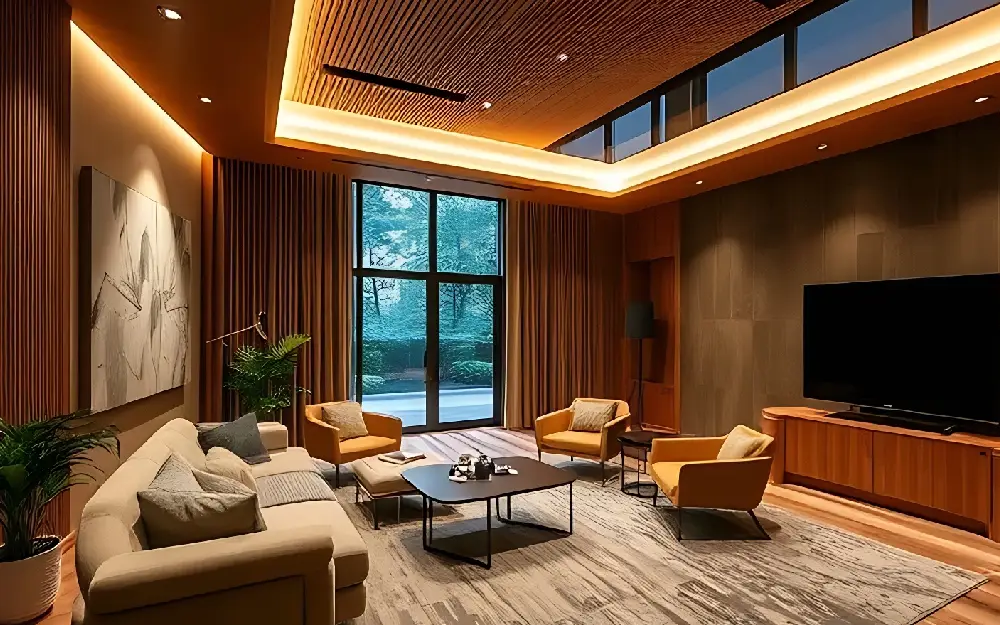
The Role of Acoustic Design in New Home Construction: Creating Peaceful, Comfortable Living Spaces
When it comes to designing a new home, most homeowners prioritize factors like aesthetics, energy efficiency, and functionality. However, one often overlooked yet crucial aspect of home design is acoustic design. The acoustics of a home—how sound behaves within the space—can have a significant impact on comfort, privacy, and overall quality of life. Whether it’s the constant hum of traffic outside, the noise of footsteps on hardwood floors, or the sound of conversations echoing through open spaces, poor acoustic design can quickly make a home feel uncomfortable and less inviting.
In this blog, we’ll explore the importance of acoustic design in new home construction and why it’s an essential consideration for creating peaceful, comfortable living environments.
What is Acoustic Design?
Acoustic design involves planning and implementing strategies to manage and control sound within a built environment. It’s not just about preventing unwanted noise from entering the home but also ensuring that sound moves and behaves in ways that enhance comfort. Acoustic design can improve privacy, reduce noise pollution, and create a more serene and enjoyable living experience.
Why Acoustic Design Matters in New Homes
1. Noise Reduction and Comfort
Homes are meant to be sanctuaries from the outside world, a place where you can relax and unwind. However, noise from the street, neighbors, or even within the house itself can disrupt peace and tranquility. A well-designed home should minimize noise intrusion while enhancing sound isolation between rooms.
In homes located in urban or high-traffic areas, external noise can be a significant issue. Thoughtful acoustic design can help reduce noise transmission from outside, creating a more peaceful indoor environment. Strategies such as double-glazed windows, thicker exterior walls, and noise-reducing exterior materials can significantly improve soundproofing.
2. Privacy
In an open-concept home, where spaces like the kitchen, living room, and dining areas often flow seamlessly into one another, maintaining privacy between rooms becomes a challenge. Acoustic design addresses this by using techniques to ensure that sounds from one space do not intrude upon others, allowing for better privacy within the home. This is particularly important in areas like bedrooms, bathrooms, and offices, where unwanted noise can be distracting and intrusive.
3. Quality of Life and Well-being
The acoustic environment of a home directly influences the health and well-being of its inhabitants. Excessive noise can contribute to stress, sleep disturbances, and a general feeling of discomfort. Proper acoustic design promotes a more restful and rejuvenating atmosphere, which is essential for mental and physical health. By reducing environmental noise and creating an acoustically balanced home, you foster an environment conducive to relaxation and overall happiness.
4. Better Communication
Sound also plays a key role in communication within the home. In a well-designed home, rooms should have acoustics that support clear and effective communication. For example, dining rooms, living rooms, or family rooms should be designed to enhance conversations without echoes or muffled sounds. On the other hand, spaces like home offices or libraries may benefit from more controlled acoustics to minimize distractions and help with focus.
Key Acoustic Design Strategies for New Homes
1. Soundproofing Materials
One of the most common approaches to acoustic design is the use of soundproofing materials. These materials are designed to absorb or block sound from entering or leaving a room. Common soundproofing materials include acoustic foam, soundproof drywall, insulation, and mass-loaded vinyl. When strategically placed in walls, ceilings, and floors, these materials can drastically reduce noise transmission.
2. Insulation
Proper insulation is an essential element of acoustic design. It can help reduce the transmission of sound between rooms as well as prevent the intrusion of external noise. Insulating walls and ceilings with high-quality materials such as fiberglass, cellulose, or spray foam insulation is an effective way to create a quieter home environment. Insulation is particularly important in multi-story homes, where noise from upper floors can be a significant issue.
3. Windows and Doors
The choice of windows and doors plays a crucial role in acoustic design. Standard single-pane windows and poorly sealed doors can allow external noise to easily enter the home. Opting for double-glazed windows, which contain two layers of glass with a sealed air gap between them, helps reduce noise pollution significantly. Additionally, installing heavy-duty doors with proper seals can prevent sound leakage and enhance overall soundproofing.
4. Room Layout and Space Planning
The layout of the home can also affect its acoustics. For instance, placing bedrooms or private spaces away from high-traffic areas like the kitchen or living room can help maintain privacy and reduce disturbances. Additionally, incorporating soft furnishings such as carpets, rugs, curtains, and upholstered furniture can absorb sound and minimize echoes in larger, open spaces.
5. Acoustic Panels and Baffles
In certain areas where controlling sound is crucial, such as home theaters, media rooms, or home offices, acoustic panels and baffles can be used to fine-tune the acoustics. These panels are designed to absorb sound, reduce echo, and improve clarity. They can be installed on walls or ceilings and come in a variety of styles to complement the interior design of the space.
The Future of Acoustic Design in New Homes
As technology continues to evolve, new innovations in acoustic design are emerging. For example, smart home systems may include soundscaping features that adjust the acoustics of the home in real-time. Additionally, advancements in materials science are leading to more effective, sustainable, and aesthetically pleasing soundproofing solutions.
In the future, we can also expect to see a stronger emphasis on integrating acoustic design with energy-efficient and eco-friendly building practices. Combining noise reduction with energy conservation can lead to more sustainable homes that are not only quieter but also more cost-effective to maintain.
Conclusion
Acoustic design is a critical yet often overlooked aspect of new home construction. By incorporating thoughtful soundproofing strategies, sound management solutions, and careful space planning, homeowners can create an environment that fosters peace, privacy, and comfort. Whether you live in a bustling city or a quiet suburban neighborhood, a well-designed acoustic environment can significantly enhance your quality of life. As building technologies continue to evolve, the future of acoustic design in homes looks promising, offering even greater opportunities for creating tranquil, high-quality living spaces.